
목차
달러트리는 오랫동안 저소득층을 주요 고객층으로 여겨왔습니다. 그러나 최근 들어 이 할인 체인점이 보다 부유한 고객층을 공략하고 있다는 소식입니다. 이는 달러트리가 고객층 확대를 위해 새로운 전략을 모색하고 있음을 보여줍니다.
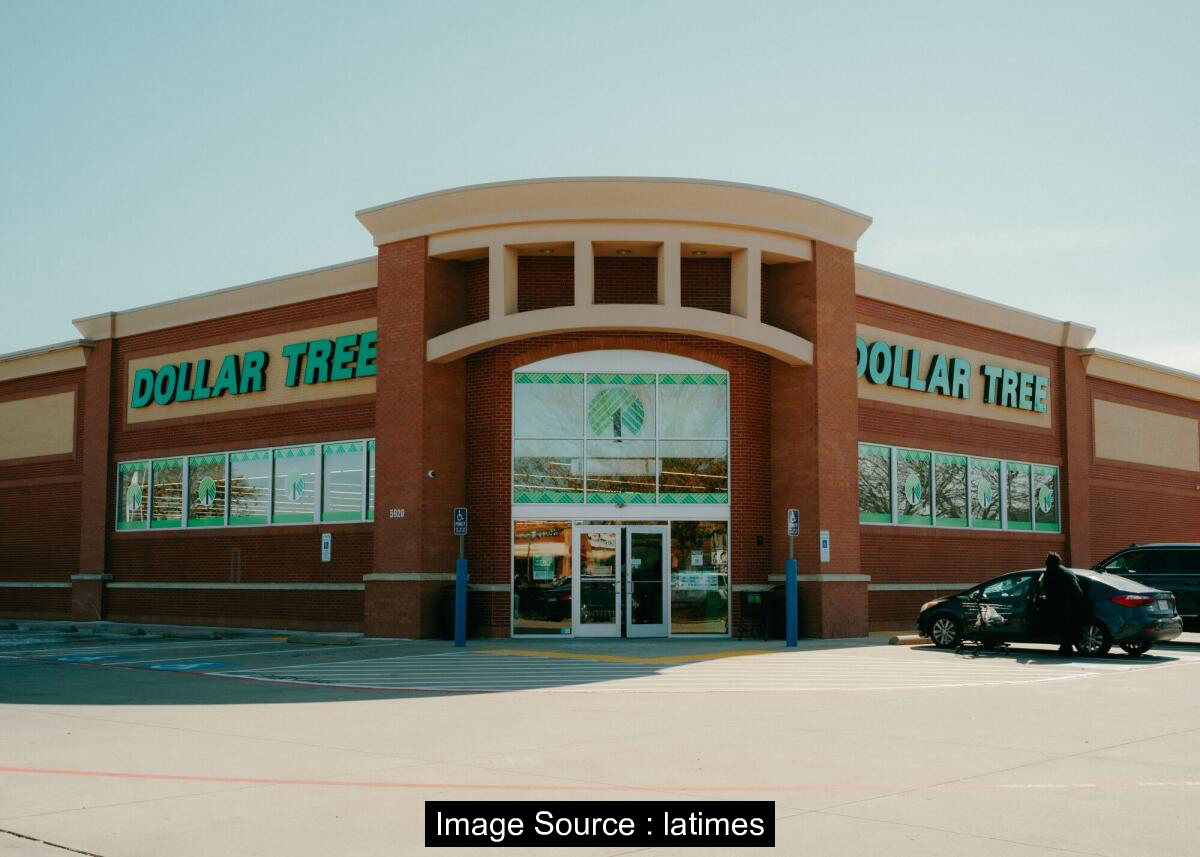
Dollar Tree’s Expansion into Wealthier Areas
Dollar Tree, the discount retail chain, has been expanding its presence into more affluent neighborhoods across the United States. In May 2025, the company opened its 9,000th store in Plano, Texas, a ritzy Dallas suburb, which is located just a few miles away from high-end establishments like a Louis Vuitton store, a steakhouse selling $525 Wagyu beef, and luxury car dealerships.
This shift in Dollar Tree’s strategy is a departure from its traditional focus on lower-income customers. In the last six years, almost half of the new Dollar Tree stores have opened in wealthier enclaves of metropolitan areas, compared to just 41% in the previous six-year period. The company’s CEO, Michael Creedon, acknowledges that this change is driven by the fact that ‘everything’s kinda drifted up,’ with wealthier shoppers now making up a significant portion of Dollar Tree’s customer base.
Catering to Higher-Income Shoppers
Dollar Tree’s move into higher-income areas is not just about temporary belt-tightening during economic downturns. Instead, it reflects a broader trend in the retail industry, where even low-end retailers are trying to cater to higher-income shoppers. As spending becomes increasingly concentrated among the top 10% of earners, retailers are finding it ‘a lot easier to make money selling to the high end than the low end.’.
To appeal to these wealthier customers, Dollar Tree has been renovating and upgrading its stores, making them cleaner and better-stocked than their counterparts in lower-income areas. The company has also been expanding its product offerings, moving beyond its traditional $1 price point and introducing items priced up to $7. This strategy has allowed Dollar Tree to move into more expensive neighborhoods, with over a quarter of its new stores opening in ZIP codes where the median household income is at least $100,000.
Maintaining a Balance
Despite its focus on higher-income shoppers, Dollar Tree has not abandoned its traditional customer base. The company is also expanding into lower-income metropolitan areas and continues to report spending growth across all income sub-cohorts, including households earning below $20,000.
Shoppers at the new Plano store, both from higher and lower-income backgrounds, appreciate the convenience and affordability that Dollar Tree offers. While wealthier customers may be drawn to the store’s ‘add-on’ items and better-curated selection, lower-income shoppers still rely on it for essential items like cookware and toothpaste. The company’s ability to cater to a diverse customer base has been a key factor in its recent success, with the company expected to report annual revenue growth of over 10% in 2025.
Overcoming Challenges and Stigma
Dollar Tree’s expansion into wealthier areas has not been without its challenges. In the past, dollar stores have faced criticism for having poor working conditions and undercutting local shops, leaving poor or rural areas with fewer options. This backlash has prompted dozens of small towns around the U.S. to block new stores or pass laws restricting their growth.
To address these concerns, Dollar Tree has been working to improve its safety and compliance procedures. Additionally, the company’s move into more affluent neighborhoods has helped to shed the ‘dollar store’ stigma, as the new stores are seen more as convenient, accessible alternatives to larger big-box retailers like Target or Walmart. This shift in perception has been crucial in allowing Dollar Tree to continue its expansion into higher-income areas.